
Planning a Shipyard Call in Batam: What Owners Should Prepare
A shipyard call involves more than confirming a repair list and booking a yard. Before the vessel arrives, owners and vessel managers also need to consider documentation, port formalities, crew movements, technicians, spare parts, transport and other local arrangements that may affect the schedule.
In Batam, many of these activities can run in parallel with the shipyard work. The key is to identify what will be required early enough, especially when overseas technicians, imported spares or crew changes are involved.
A well-prepared shipyard call helps reduce unnecessary delays and allows the vessel, shipyard and local support teams to work around the same operational plan.
This guide covers the main points owners and vessel managers should prepare before sending a vessel to a shipyard in Batam.
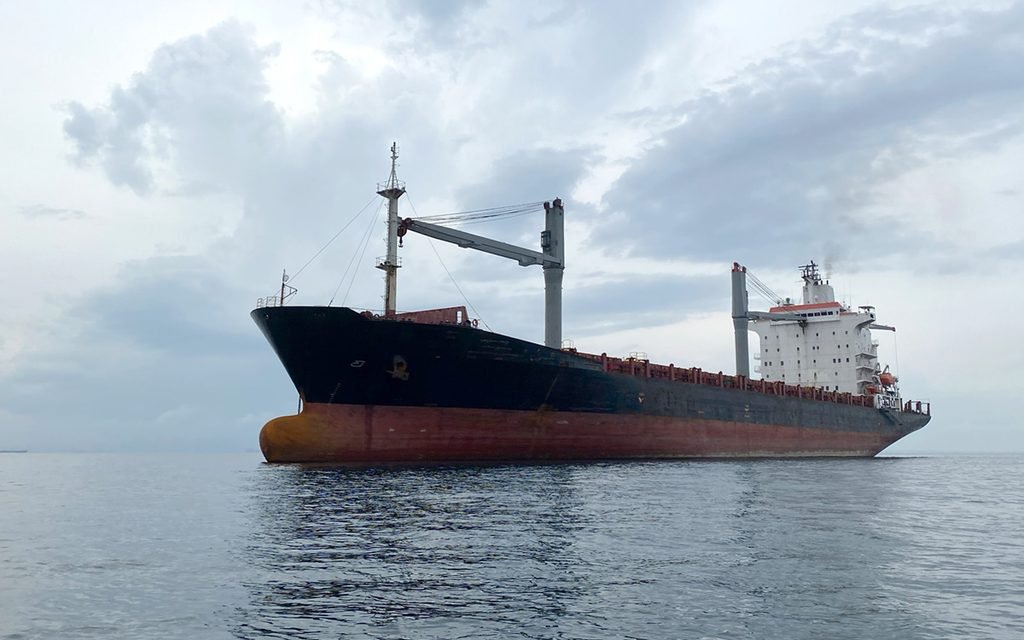
Start With the Vessel Schedule and Work Scope
Before making local arrangements, owners should first establish a realistic vessel schedule and a clear work scope. The expected arrival date, shipyard entry, docking period, sea trial and departure window will affect almost every supporting activity around the vessel.
The work scope should also identify which jobs will be handled by the shipyard and which will require separate contractors, service engineers or technicians. This becomes particularly important when specialists are travelling from overseas or when equipment and spare parts need to arrive before a specific stage of the repair.
Schedules can change during a shipyard project, so the objective is not to fix every detail too early. It is to make sure the parties involved understand the operational sequence and which activities depend on one another.
Prepare Port and Agency Formalities Early
A vessel entering Batam for shipyard work will still require the relevant port, immigration and clearance arrangements. The exact requirements depend on the vessel’s status, previous port, crew situation and the location where the vessel will berth or undergo repairs.
Owners or vessel managers should provide the vessel particulars and required documents early enough for the local agent to review them before arrival. Any crew changes, technicians joining the vessel or other personnel movements should also be identified at this stage, as they may involve separate immigration or access arrangements.
Early preparation is especially useful when the vessel’s schedule is tight. Clearance formalities, shipyard entry and personnel arrangements often need to be coordinated around the same arrival window, so resolving document issues before the vessel reaches Batam can help avoid unnecessary complications.
Coordinate Crew, Technicians and Shore Access
Shipyard projects often involve more people than the vessel’s regular crew. Riding squads, service engineers, surveyors, superintendents and technicians may need to board the vessel or enter the shipyard at different stages of the project.
Their travel and access arrangements should be planned against the vessel schedule. Depending on nationality, role and length of stay, overseas personnel may require immigration documentation or other arrangements before travelling to Indonesia. Shipyard access procedures may also apply separately from immigration requirements.
Crew changes should be planned in the same way. Joining and signing-off crew may require airport transfers, accommodation, medical arrangements and coordination with the vessel’s arrival or departure schedule. Providing these details early gives the local team more time to arrange each movement around the shipyard programme.
Plan Spare Parts and Logistics Before They Become Urgent
Spare parts and equipment often arrive while the vessel is already under repair. Some items may be sourced locally, while others need to be shipped or hand-carried into Batam from overseas. The delivery method, arrival point and required timing should be identified as early as possible.
For imported spares, owners should allow time for customs handling and local delivery arrangements. Large, heavy or time-critical items may require additional coordination, particularly when delivery needs to be made directly to a shipyard or vessel alongside.
A simple logistics plan can prevent a repair job from waiting for material that has already reached Indonesia but has not yet reached the vessel. Sharing packing lists, shipment details and the required onboard date early gives the local team a better chance to coordinate the delivery with the shipyard schedule.
Arrange Local Transport, Accommodation and Daily Support
Shipyard projects can involve frequent movement between the vessel, shipyard, airport, hotel and local suppliers. Superintendents, technicians and riding teams may need daily transport, while crew changes or short technical visits may require accommodation for only a few nights.
These arrangements should follow the actual work schedule rather than be treated as separate travel bookings. A technician arriving too early may create unnecessary hotel costs, while a late transfer can affect access to the vessel or the start of a planned job.
It is also useful to identify any other local support that may be required during the project, such as medical appointments, provisions, cash to master, document delivery or urgent procurement. Not every requirement can be predicted in advance, but having a clear local coordination point makes it easier to respond when the vessel’s needs change.
Bring the Arrangements Together Before Arrival
A shipyard call runs more smoothly when the work scope, vessel schedule and local arrangements are planned as one operation. Port formalities, crew movements, technicians, spare parts, transport and other support activities may all follow different timelines, but they ultimately need to work around the same vessel schedule.
Owners and vessel managers do not need to finalize every detail weeks in advance. What matters is identifying the critical requirements early, sharing the right information with the parties involved and updating the plan as the project develops.
For vessels preparing for docking or repair in Batam, Batam Shipping can assist with local coordination, port agency, crew matters, logistics and other operational support connected with the shipyard call.
If you are planning a vessel call in Batam, contact Batam Shipping to discuss the required local arrangements.